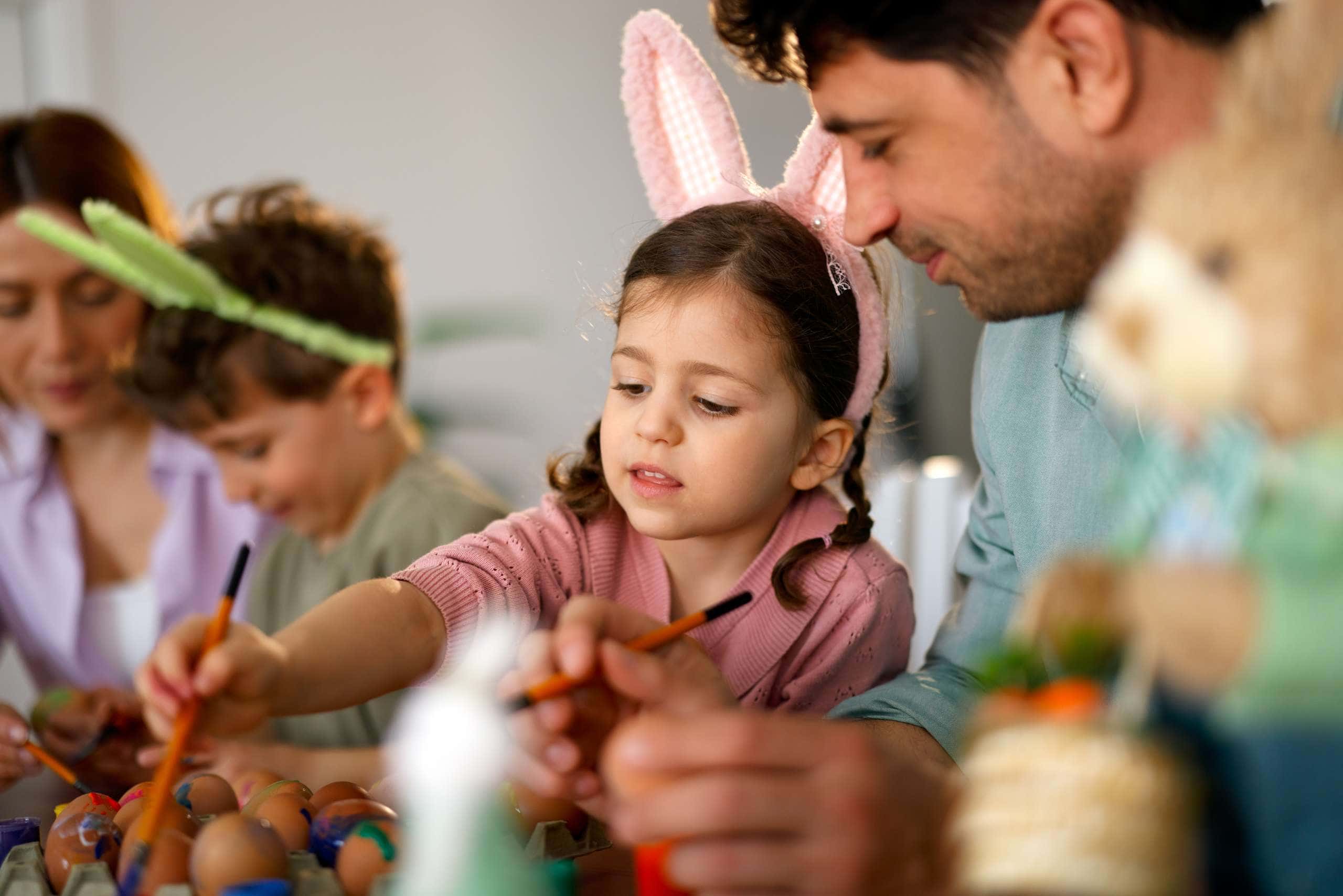

Easter in two homes: finding peace, balance and new traditions
It sneaks up every year: Easter, school holidays, long weekends, chocolate overload. For separated families, a familiar question: how do we make this work for everyone, especially the kids?
The truth is, Easter can be a mixed bag. There’s the emotion of it all, the planning, the expectations (sometimes from relatives you haven’t seen in ages) and that quiet pressure to somehow “make it perfect.” But here’s the reassuring part: with a little preparation and a gentle mindset, Easter can still turn into a genuinely positive, even meaningful, experience for everyone.
Start with the basics: plan early, communicate clearly
From a legal perspective, holiday time usually follows existing parenting arrangements or Court Orders. But in reality, Easter often requires flexibility and that starts with communication.
Think in terms of:
- Who has the children on which days
- Whether there’s room to adjust for special plans
- How changeovers will work (and keeping them low-stress).
Even if things aren’t perfect between you, a calm, practical approach goes a long way.
Keep the focus where it belongs: on the children
It sounds obvious, but it’s surprisingly easy to lose sight of this.
Children don’t experience Easter the way adults do. They’re not tracking fairness or counting hours; they’re looking for:
- Stability
- Fun
- A sense that it’s okay to enjoy time with both parents
One of the most important things to remember is that children often feel responsible for everyone else’s happiness. They may try to “balance” their reactions so neither parent feels left out — even if it means bottling up their own feelings.
That’s why reassurance matters. A simple:
“You’re going to have a great time with Mum/Dad — I’ll see you soon”
…can remove a huge emotional burden.
Avoid the subtle pitfalls
You don’t have to be arguing openly for children to feel tension. Things to watch:
- Passive comments about the other parent
- Asking children what happens “over there”
- Making them feel guilty for enjoying time away
Children love both parents. When one is criticised, it doesn’t land as information – it lands as something personal.
Create your own Easter traditions
One of the most empowering shifts after separation is this: you get to create new traditions. They don’t have to be elaborate or expensive. In fact, the simplest ones often stick.
Ideas that work well:
- A relaxed Easter egg hunt at home or in a local park
- A “breakfast picnic” instead of a formal lunch
- Movie night with Easter-themed snacks
- Letting the kids plan part of the day
What matters isn’t the scale: it’s the consistency and the feeling attached to it.
Be flexible where you can (but boundaries still matter)
Flexibility doesn’t mean giving everything up, it means being open to reasonable adjustments where it benefits the children. For example: swapping a day so the kids can attend a cousin’s Easter lunch, adjusting times to avoid rushed changeovers or allowing a quick call or message on Easter morning.
At the same time, if communication is difficult or conflict is high, it’s okay to rely on your formal arrangements. Structure can reduce stress.
Manage expectations: yours and theirs
Easter might not look like it used to… and that’s okay. Trying to recreate the “old version” of family holidays often leads to disappointment. Instead, focus on what is within your control:
- The atmosphere you create;
- How you speak about the other parent;
- The memories you build in your own time.
Children are incredibly adaptable. What they remember most is how they felt, not whether the day was split perfectly in half.
Summary
Easter in a separated family isn’t about perfection. It’s about creating a sense of safety, enjoyment and reassurance in a different structure.
If children feel free to love both parents, free to enjoy their time, and free from conflict you’ve already done the most important part… And sometimes, that’s more meaningful than any Easter tradition.
Our office is open regular hours, except for Good Friday and Easter Monday over the school Easter break. We offer face-to-face Family Law initial consultations, as well as phone consultations and video consultations. To book an appointment, please call our Brisbane office on (07) 3221 4300 or Gold Coast office on (07) 5676 7600.